
A CKD or SKD quotation is meaningful only when the component boundary is defined by an agreed bill of materials. The buyer and supplier should confirm which modules arrive assembled, which parts are supplied loose, what testing is completed before shipment, and what assembly, testing and documentation remain the buyer’s responsibility.
Product knowledge base
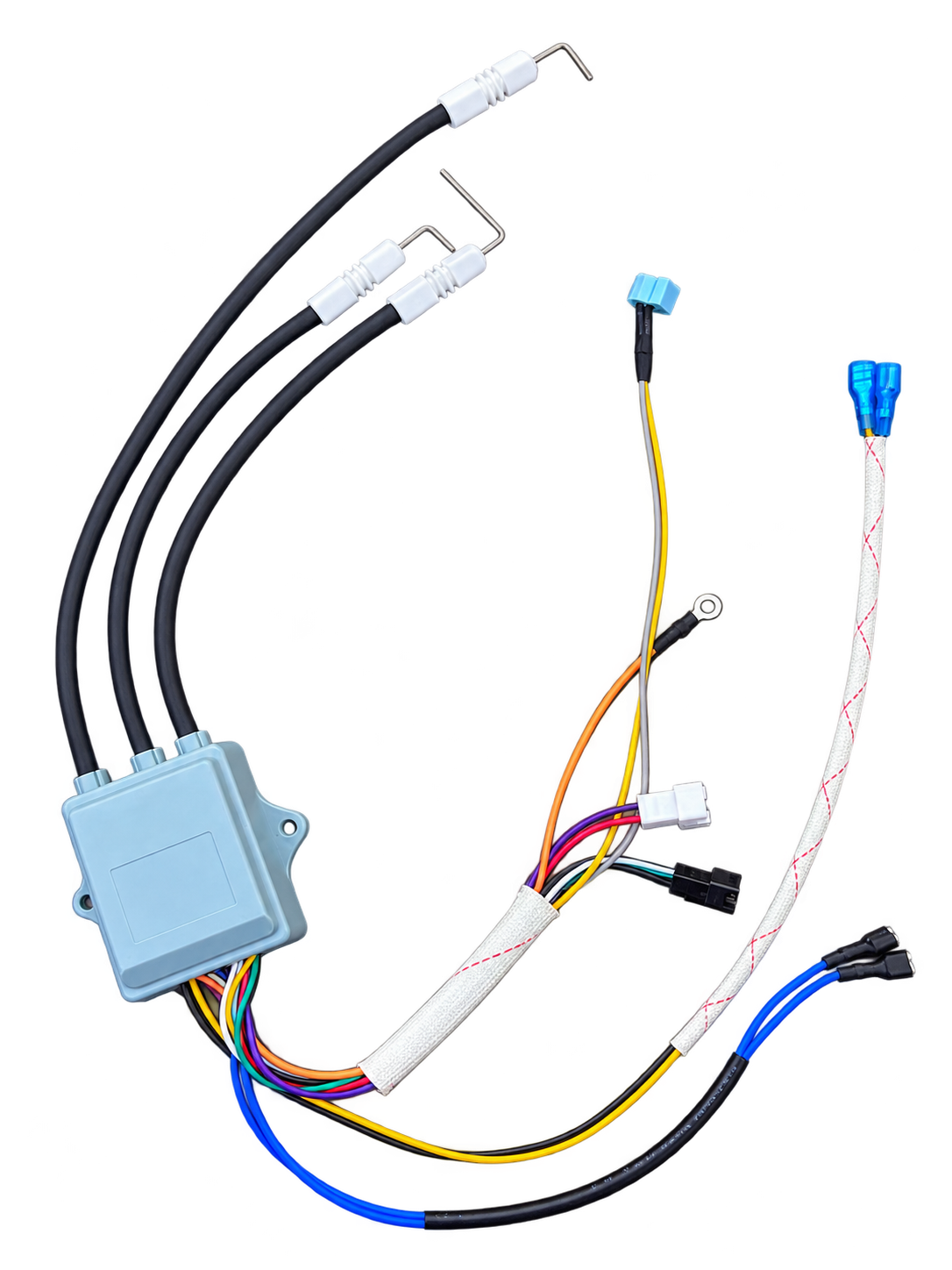
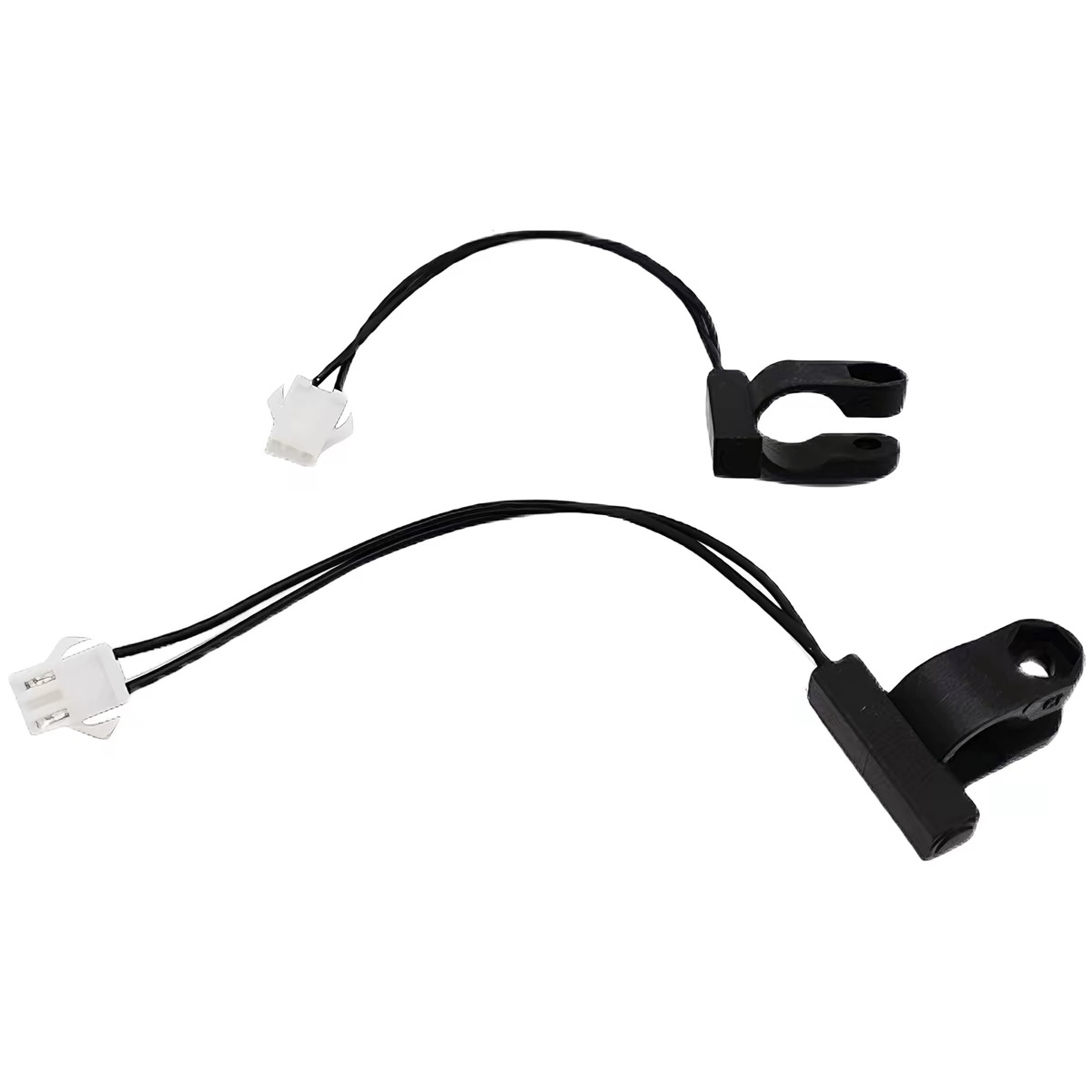
Verified components used in this guide



1. Define CBU, SKD and CKD by the actual packing scope
CBU normally describes a complete appliance ready for the buyer’s market-side preparation. SKD usually keeps major modules partly assembled, while CKD supplies a more fully separated component set for buyer assembly. These terms are not sufficiently precise on their own.
The quotation and purchase order should identify every supplied part, module state, quantity per appliance, supplier code, drawing or photo reference and packing method. The agreed BOM is the controlling definition.
2. Freeze the matched combustion and water-control group
The heat exchanger, burner, manifold or nozzles, gas valve and water-control assembly should be specified together for the selected gas type and appliance capacity. A substitution in one item can affect ignition, combustion, temperature performance or installation fit.
LPG and natural-gas configurations should be treated as separate matched versions unless the approved project specification says otherwise. Conversion should never be assumed from external appearance.
3. Control the electrical and ignition package
The electrical package can include the pulse ignition controller or main controller, ignition electrodes, water-flow switch or sensor, operating switch, display, wiring harness, protective devices and related actuators. Connector shape is only one matching point; voltage, pin functions and operating logic must also agree.
The selected CKD or SKD level should state which wiring is pre-fitted, which connectors are identified, and whether functional testing is completed as a matched assembly before packing.
4. Include the cabinet, fasteners and commercial materials
A complete kit definition may also cover the cabinet, knobs, flue hood or fan module, water and gas connectors, seals, fasteners, rating label, carton, internal protection, manual and agreed accessories. Small missing items can stop an assembly line even when the major components are present.
For local assembly, confirm logo, language, labeling, barcode, packaging artwork and country-of-origin treatment with qualified market and customs advisers before production.
5. Agree evidence, testing and assembly support
Before shipment, agree whether the supplier provides a BOM, controlled drawings, wiring information, assembly photos or videos, test instructions, reference samples and spare-parts recommendations. Define which checks are completed on individual components, pre-assembled modules and the final appliance.
A useful RFQ states destination market, gas type, electrical supply, appliance capacity, required CKD or SKD depth, local assembly capability, certification responsibility, sample plan, expected annual quantity and required delivery schedule.
Buyer questions
What is included in a gas water heater CKD kit?
The exact scope is defined by the approved BOM. It can include cabinet parts, heat exchanger, burner, water and gas controls, controller or igniter, switches or sensors, display, wiring, fasteners, labels, manual and packaging.
Is SKD always cheaper than CBU?
Not necessarily. Module preparation, matched testing, individual packing, documentation, local labor, duties and rejection risk all affect total landed and assembly cost.
Can LPG and natural-gas parts be packed in the same programme?
They can be managed as separate confirmed versions, but the BOM, identification, packing and testing must prevent mixing. Compatibility should not be assumed.
What should be sent before requesting a quotation?
Provide destination market, gas type, electrical supply, target capacity, product photos or drawings, desired CKD/SKD boundary, quantity, certification responsibility and local assembly capability.