A useful ethanol stove pilot starts with the fuel buyers can source locally and a meal users already cook. Use the same cookware, portions and cooking routine across trials. Record fuel used per meal, cooking time and operator feedback to compare local running costs and decide whether to order more units.
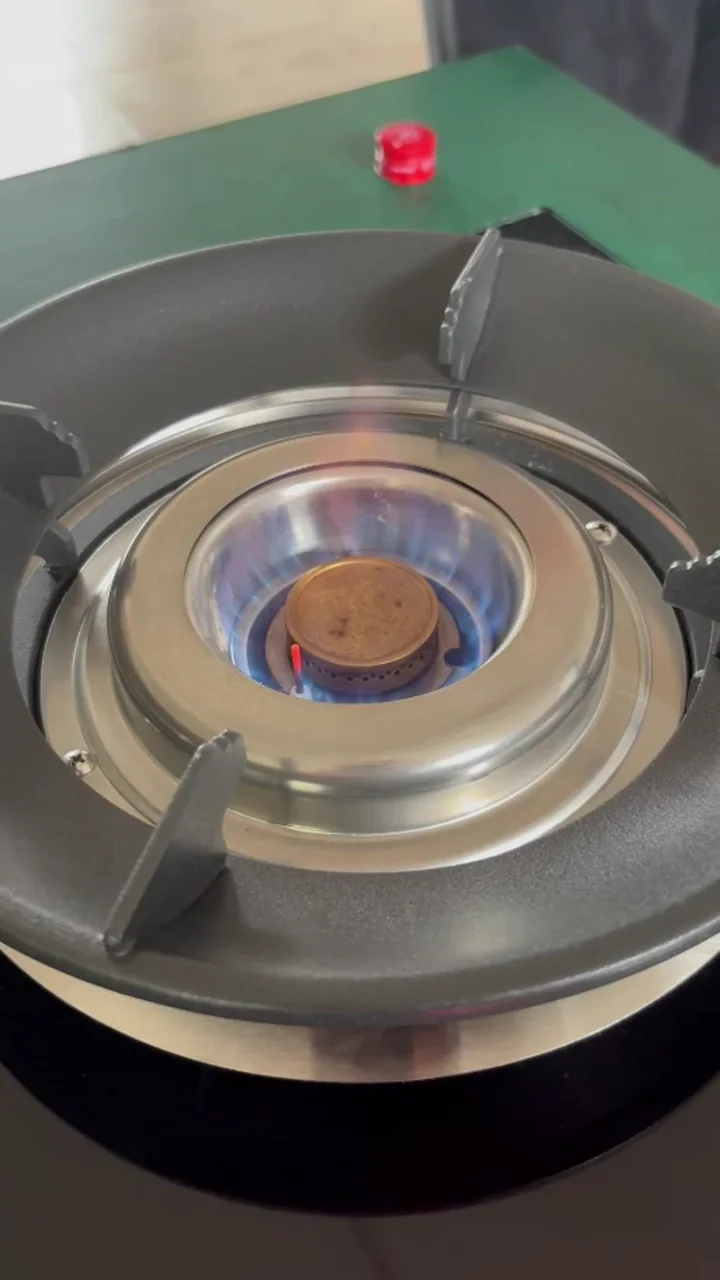
Factory flame demonstration
Confirm the local fuel supply first
Ask your fuel supplier for the product specification, available package sizes, delivered price and typical replenishment time. Share the fuel specification with the stove supplier before the pilot. Record the fuel used in each trial so the cost comparison reflects the conditions tested.
Plan for fuel and 12V power
Joelwave’s current platform uses 12V DC, with rated electrical consumption of 40 W during ignition and 5 W during normal operation. Track ethanol usage separately when measuring the total cost of preparing a meal.
Record the same results for each trial
Log the meal and portions, fuel used, total cooking time and the operator’s comments on ignition and heat adjustment. If you are comparing single- and double-burner models, record how often users need both burners at once. Use the results to choose the burner configuration and estimate how often the site will need fuel replenishment.
Pilot record sheet
| Field | What to record |
|---|---|
| Meal and portions | Dish, serving count and cookware used |
| Fuel used | Fuel specification and amount consumed per meal |
| Cooking time | Elapsed minutes for the trial meal |
| Operator feedback | Ignition, heat adjustment and simultaneous burner use |
Buyer questions
What should a 12V ethanol stove pilot measure?
Record the fuel specification and amount used per meal, portions, elapsed cooking time and operator feedback. Use a representative cooking routine to compare configurations.